

Every exploratory hole, borehole and excavation is more than a compliance step, it’s a window into the ground’s story. When geotechnical and archaeological teams align early, the project gains a clearer model of both ground behaviour and heritage significance.
- Stratigraphy: consistent logging and shared terminology helps correlate layers across disciplines, one record – multi-purpose!
- Deposit modelling: combining investigation data with archaeological context strengthens the ground model and identifies risk, by area and depth.
- Data sharing (test pits, boreholes, excavations): one joined dataset supports validation, avoids duplication, and improves decisions.
- Backfilling: not only for preserving remains, good backfill design/QA protects all excavations, future stability, and better performance on handback to contractors.
- Settlement: archaeological works can both reveal variability and made ground that materially affects settlement risk, while the backfilled site can present a settlement risk itself if not taken into account.
- Earthworks & spoil bunds: understanding soils, contamination, and heritage constraints helps plan reuse, storage, and haul routes responsibly.
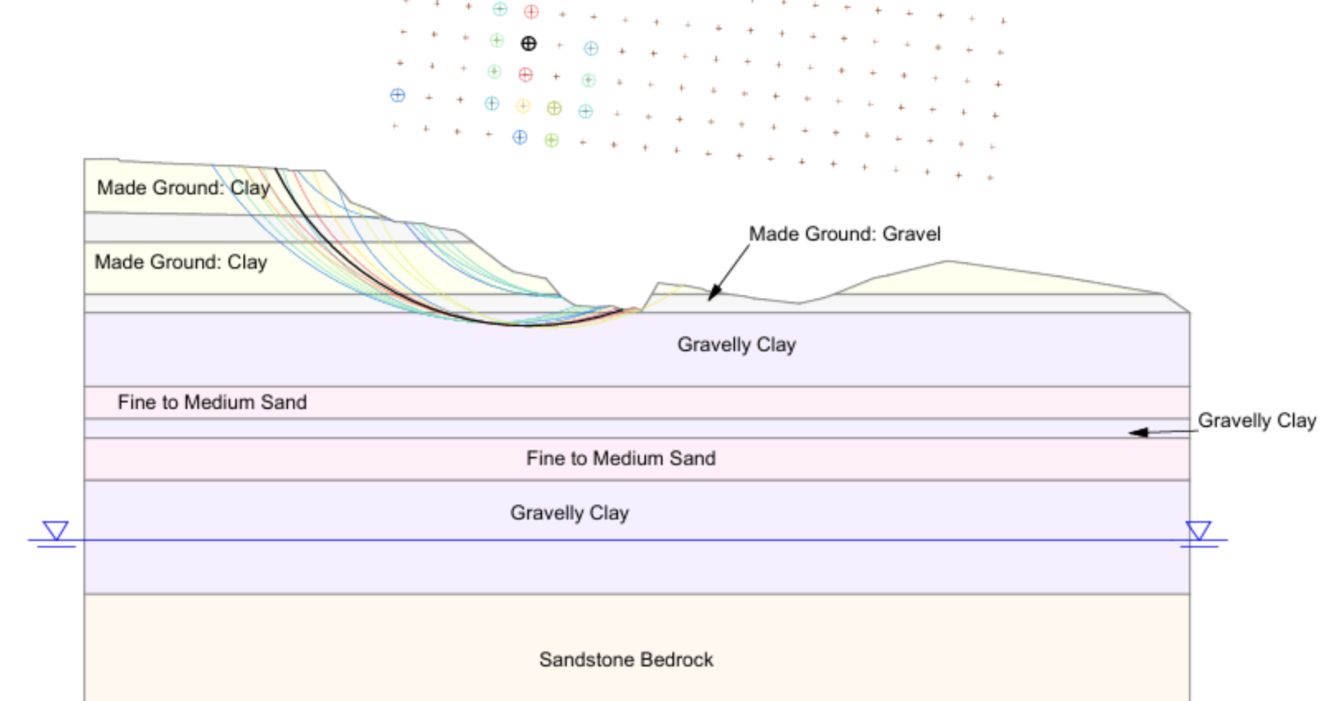
- Stepping / shoring / grading: technical, expert, advice for temporary works choices can protect buried assets, facilitate archaeological works, while maintaining safe slopes and stable faces.
The payoff is practical: fewer surprises, better risk management, safer excavations, and more confident design decisions, while respecting the historic environment we’re working within.