

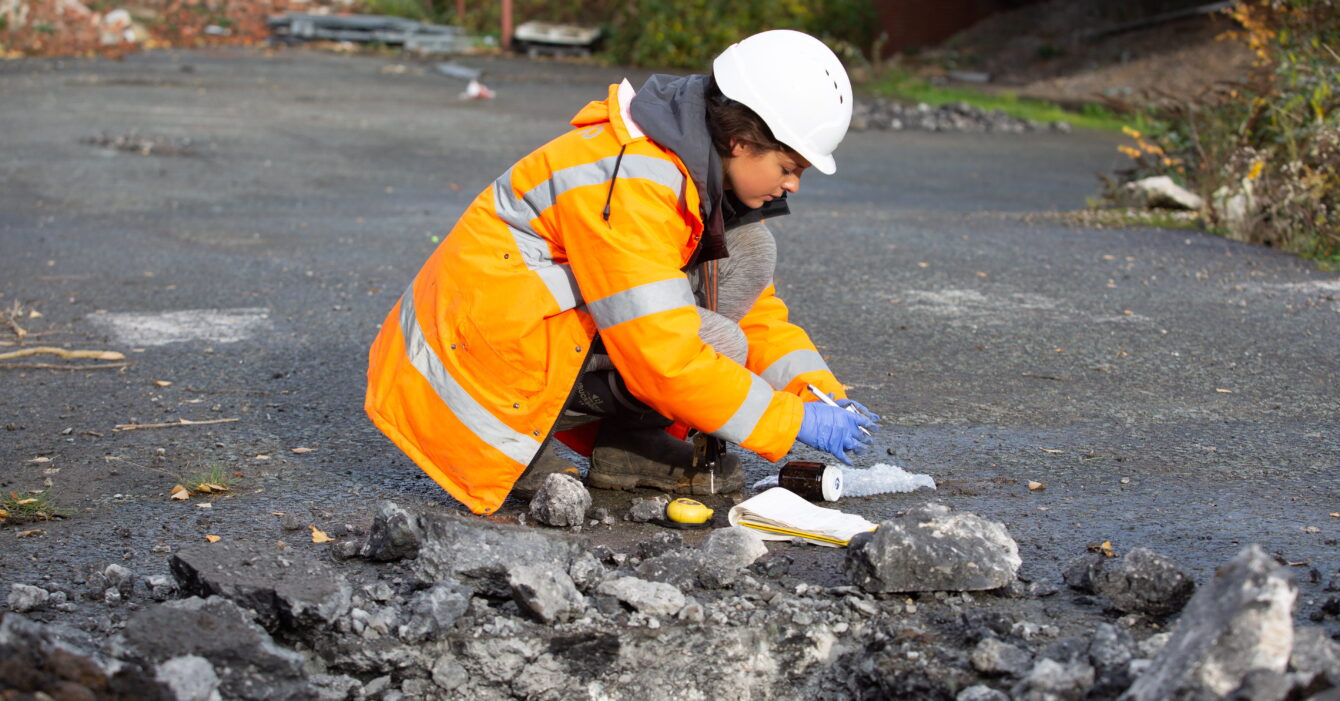
A holistic approach to the environment: Geoenvironmental and Historic Environment Services, with the added benefit & joined-up thinking from E3P.
Planning: Providing a holistic view of the environment, ensuring that all aspects of the historic / environment are considered in the planning process.
Expertise in Preservation: Combined expertise allows for better preservation and enhancement of heritage assets, soil structure, land condition and more.
Innovative Solutions: Providing practical solutions to manage historic environment works in sensitive or hazardous ground conditions, ensuring protection and long-term value.
Sustainable Development: Supporting sustainable development by ensuring intrusive works are multi-purpose, data is used effectively, and soil is managed to protect the materials and enhance future development options.
Compliance: Working collaboratively to ensure development projects meet sustainability goals and environmental regulations, while managing risk and protecting commercial viability.
Managing risk: Both teams provide a thorough assessment of the environmental and historic risks associated with a project, ensuring that all potential hazards are identified early and mitigated.
The combination of geo-environmental expertise in land conditions and historic environment knowledge in heritage assets allows for a more integrated approach to risk management.
It is integral that our geoenvironmental team are on hand to inform upon Environmental Protection and Pollution mitigation during archaeological works of the historic industries.
Why does this matter….
The Industrial Revolution brought incredible technological advancements and engineering to Britain, but it also brought a whole lot of mess.
Did you know that lead, antimony and even arsenic were used in the process of creating lead shot? Chemical cleaners and dyes were used through several stages of cloth making?
As such archaeological projects around our historic industries should be informed by the geoenvironmental assessments and survey results.
Where possible, dual-purpose interventions should be utilised at evaluation stages to avoid increasing the risk of exposure and spread of substances hazardous to health.
Technical specialist input and testing should be secured to inform material management on site.
Remediation strategies should be informed by:
- Historic environment research
- Scope of archaeological interventions
And archaeological works should understand:
- Geoenvironmental risk(s)
- Required geoenvironmental mitigation, how can the scope and programmes complement rather than conflict?
A recurring frustration comes from the effects of archaeological works on land condition.
When land condition assessments are completed, are we asking ourselves (and our clients) will the land condition will change between design and development?
Land condition inevitably changes through a project lifecycle, but can sometimes come as a surprise to consultants when it comes from:
- New services or utilities
- Extension to compounds/storage areas
- Archaeological works
- Change of land use
- Intrusive works which do not require Planning